
Resources and Publications
Reports
See All-
Member Discount
-
Member Discount
-
Member Discount
-
Member Discount
-
Economic Health & Societal Well-being: Quantifying the Impact of the Global Health & Fitness Sector
-
Member Discount
-
-
-
Member Discount
-
-

-
Member Discount
-
-
-
-

-
-
Member Discount
-

Member Discount
-
Member Discount
-
-
-
-
-

-
-

-

Member Discount
-
Member Discount
-

Member Discount
-

Member Discount
-
Member Discount
The 2019 IHRSA Health Club Employee Compensation and Benefits Report
-

Member Discount
-
-
2018 IHRSA Advocacy Impact Report with Legislative Forecasting
-
Member Discount
-
Member Discount
-
Member Discount
-
Member Discount
-
Member Discount
-

Member Discount
-
Member Discount
-

Member Discount
-
Member Discount
-
Member Discount
-

Member Discount
-
Member Discount
The 2017 IHRSA Health Club Employee Compensation & Benefits Report
-
Member Discount
-
Member Discount
-
Member Discount
-
Member Discount
IHRSA Latin American Report (Second Edition) - Spanish Version
-
Member Discount
The IHRSA Latin American Report (Second Edition) - Portuguese Version
-
Member Discount
IHRSA State of the Mexican Health and Fitness Industry Report
-
Member Discount
IHRSA State of the Mexican Health and Fitness Industry Report - Spanish version
-
Member Discount
The IHRSA Health Club Equipment Report: Spending, Utilization & Programming Trends
-
Member Discount
-

Member Discount
One Million Strong: An In-Depth Study of Member Retention in North America
-
Member Discount
-
Member Discount
-

Member Discount
-
Member Discount
-
Member Discount
-
Member Discount
IHRSA International Report: Size & Scope of Key Health Club Markets
E-books & Resources
See All-
-

-
Safety Considerations for Sport, Fitness Clubs in the Context of COVID-19
-

4 Phase Lobbying Strategy to Plan Your Alliance’s Activities
-
-

Member Discount
-

IHRSA’s Guide to Hiring a Lobbyist for Your Fitness Alliance
-
-
-
-
-

Gyms Mitigating Risk Pose No Extra Risk: A Guide to Using the Data
-
-

-
-
-
-
-
-

Member Discount
-
Member Exclusive
-
-
How to Maximize Your Gym’s Data Strategy for Sales & Retention
-
Member Exclusive
-
Member Exclusive
-
Member Discount
-
Member Exclusive
-
Built for Success: How to Maximize Your Health Club's Design
-
Member Exclusive
-
Member Exclusive
A Guide to Fighting a Sales, Service, or Amusement Tax on Health Club Membership
-
Member Exclusive
Group Exercise Training: How to Create a Program That Works for Your Club
-
Member Discount
-
Member Exclusive
A Guide to Creating Your Gym's Medical Wellness Program: An IHRSA Member Toolkit
-
Member Exclusive
-
Member Exclusive
-
Member Exclusive
-
Member Exclusive
-
Member Exclusive
Buying Exercise Equipment for Your Health Club: A Purchasing Strategy
-
Member Discount
-
Member Exclusive
-
Member Discount
-

Member Discount
-
Member Exclusive
How To Run a Community Outreach Initiative Using the Get Active America! Model
-
Member Exclusive
-
Member Discount
-
-
Member Discount
-
Member Discount
-
Member Discount
-

Member Discount
-
Member Discount
-
-

Member Discount
CBI
See All-
-
-
-
-

-
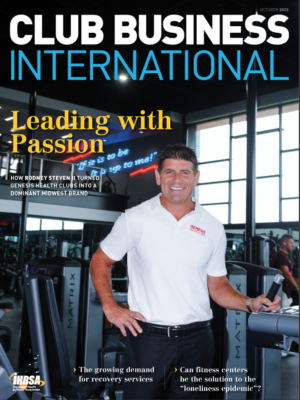
-
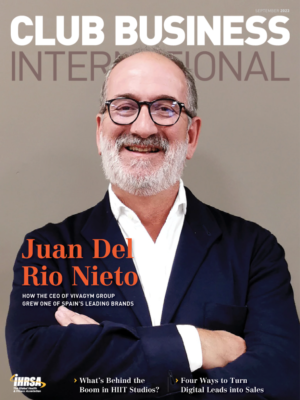
-

-
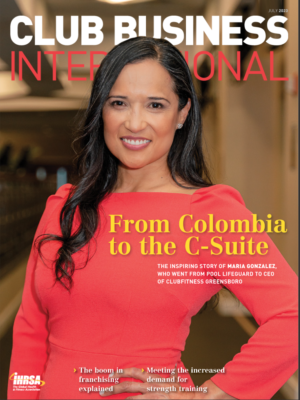
-
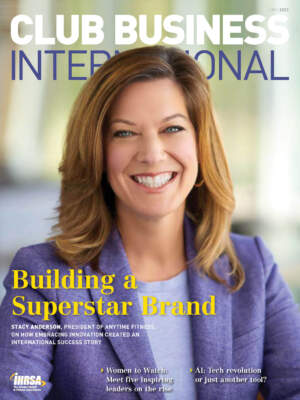
-
-
-
-
-
-

-
-
-

-
-
-
-
-

-
-
-

-
-
-
-

-
-

-
-

-

-
-
-

-
-

-
-

-
-

-
-

-

Member Exclusive
-

-
-
-

-

-
-

-
Member Exclusive
-
-
-

-

-

-
-
-
Member Exclusive
-
-
-
-
-
-
-
-
-
-
-
-

-
-

-
-

-
-

-
-
-
-
-

-
-

-
-
-
-
-
-
-

-
-
Webinars
See All-

-
From Bland to Brand: Transforming Your Functional Training Space
-

Maximizing Your Online Presence: 10 Key Features to Evaluate on Your Club Website
-
-

-
-
Understanding the Exerciser Journey to Create Maximum Engagement
-
Member Discount
Build Your Club Community: Incredible & Economical Member Experiences
-
Member Discount
-
The Experience: How to Own the Full Member and Staff Experience Within Your Club
-
-
Going Beyond the Workout: Why Recovery & Wellness Spaces Are Crucial in Fitness Clubs
-
A Good First Impression Can Go a Long Way Toward Member Retention
-
Fitness Industry Advocacy: Get Involved, Improve Your Strategy, and Grow the Effort
-
Member Discount
-
Member Discount
Staffing Challenges and Opportunities in the Fitness Industry
-
Member Discount
-
Member Discount
-
Member Discount
Turn Data into Actionable Insights: Essential KPIs in a Post-Pandemic Era
-
-
-
Nuevas Ventas en el Entorno Post-Pandémico (New Sales in the Post-Pandemic Environment)
-

-
-
Member Discount
-
Member Discount
-
Mindfulness and Resilience for Fitness Entrepreneurs & Business Leaders
-
-

-
Member Discount
-
Member Discount
-
Member Discount
-
Member Discount
-
Member Discount
-
-
Member Discount
-
-
Understanding & Utilizing IHRSA’s New Active & Safe Commitment
-
-
-
How to Create an Exceptional Outdoor Fitness Site for Your Gym
-
Member Discount
-
Member Discount
Survival of the Fittest: Leading During a Pandemic [WEBINAR]
-
Membership & Marketing Strategy for Your Health Club in 2021 [WEBINAR]
-
Member Discount
Bringing Back Your Health Club Members After Shut Downs [WEBINAR]
-
CDC Guidance for Health Clubs & a Public Health Perspective [WEBINAR]
-

What’s Your Story?: Shaping Your Fitness Club’s Brand & Values [WEBINAR]
-
Securing Reliable Fitness Equipment Service Support for Your Club [WEBINAR]
-
-
Member Discount
-
Win the Fight Against the High Turnover Employee at Your Gym
-
Rebound Strategies: Key Considerations for Reopening the Fitness Industry
-
Member Discount
-
Choosing a Selectorized Strength Line for Your Fitness Facility
-
3 Steps to Success: Remote Personal Training for Your Gym [WEBINAR]
-
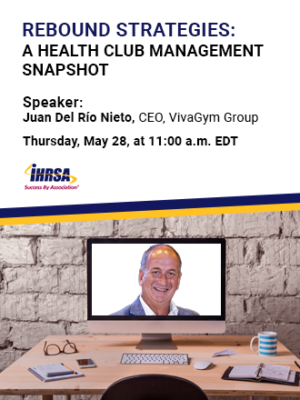
Rebound Strategies: A Health Club Management Snapshot [WEBINAR]
-
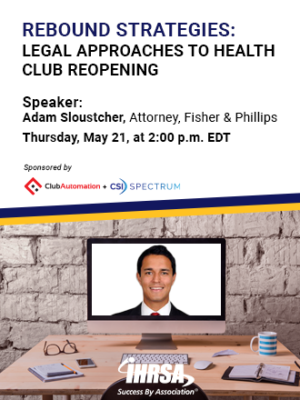
Rebound Strategies: Legal Approaches to Health Club Reopening [WEBINAR]
-
The Fitness Business Leadership ‘Dress’ Code: Tools for Success [WEBINAR]
-
Reopening Strategy Lessons from HV/LP Health Clubs [WEBINAR]
-
Member Discount
-
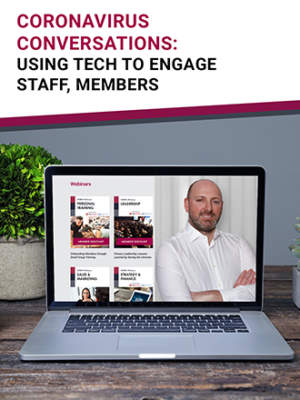
Coronavirus Conversations: Using Tech to Engage Staff, Members [WEBINAR]
-
Must-do's to Survive, Recover, & Thrive in the Changing Economy [WEBINAR]
-

Coronavirus Conversations: Global Perspectives on Health Clubs & Physical Activity [WEBINAR]
-
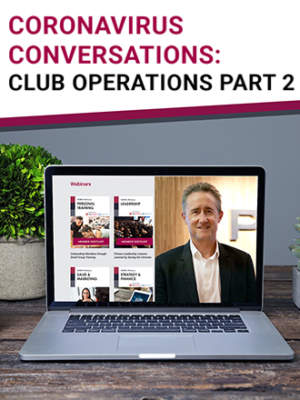
-

Coronavirus Conversations: Legal FAQs & Staffing Operations [WEBINAR]
-
-
Member Discount
-
Member Discount
-
Member Discount
Fitness Leadership Lessons Learned by Saving the Universe [WEBINAR]
-
The New Secret to Attract & Keep Members at Your Gym [WEBINAR]
-
Help Members Form Good Habits with Wearable Fitness Technology [WEBINAR]
-
Sales Coaching Strategies for Fitness Club Managers [WEBINAR]
-
Member Discount
2020 Vision: Strategize for the Year Ahead at Your Gym [WEBINAR]
-
Tips for Creating Authentic Content to Grow Your Gym’s Brand [WEBINAR]
-
-
Member Discount
Best Practices for Recruiting, Engaging & Retaining Gym Staff [WEBINAR]
-
Deliver Next-generation Experiences at Your Fitness Business [WEBINAR]
-
Crafting a Compelling Member Journey at Your Health Club [WEBINAR]
-
Member Discount
How to Build Relationships with Members in the First 90 Days [WEBINAR]
-
Creating a Compelling Small Group Training Experience [WEBINAR]
-
How Your Personal Training Team's Culture Can Boost Profits [WEBINAR]
-
CRM vs. Marketing Automation: Does Your Gym Need Both? [WEBINAR]
-
Member Discount
How an Innovation Program Can Invigorate Your Fitness Business [WEBINAR]
-
Enhance Your Gym’s Family Experience with Improved Child Safety [WEBINAR]
-
Member Discount
-
-
Member Discount
Create an Extraordinary Community Service Strategy for Your Gym [WEBINAR]
-
Member Discount
How to Lead Your Personal Training Team to Profits [WEBINAR]
-
Fitness Technology Trends You Can Put into Practice in 2019 [WEBINAR]
-
Member Discount
Growing Your Gym’s Revenue with Children’s Programming [WEBINAR]
-
Classes
See All-
-
-

Member Discount
-

Member Discount
-
Member Discount
-

Member Discount
Inspect What You Expect: How to Achieve Operational Excellence
-
Member Discount
-
Member Discount
Creating a Strategy to Compete in a Hyper-competitive Market
-
Member Discount
Cultural Leadership: The Key to Employee Engagement & Retention
-
Member Discount
-

Member Discount
-

Member Discount
Briefing Papers
See All-
Member Discount
-
Member Exclusive
-

Member Exclusive
-

Member Exclusive
-

Member Exclusive
-

Member Discount
-

Member Discount
-

Member Discount
-
Member Discount
Employment Law Basics for Club Operators: Recruiting and Hiring
-
Member Discount
Employment Law Basics for Club Operators: Firing an Employee
-
Member Discount
Employment Law Basics for Club Operators: Employment Policies
-
Member Discount